
Videos
Pluto Turns Direct: Reclaim Your Power
Pluto turns direct as this week’s astrology explores hidden truths, personal power, and...








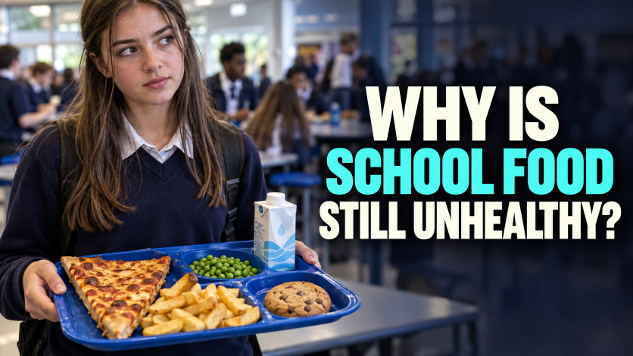
With over 91 million school children worldwide classified as obese, the UK faces significant challenges in combating this epidemic. Poor dietary habits among teenagers, influenced by social dynamics and inadequate school food policies, contribute to this crisis. Engaging students in food choices and improving nutritional standards can help foster healthier eating behaviors.

You can feel fine, eat reasonably well, and still notice that your energy, resilience, and recovery are not the same at 42 as they were at 28. New single-cell research suggests your immune system may be moving through distinct turning points, and those shifts do not look the same for women and men.
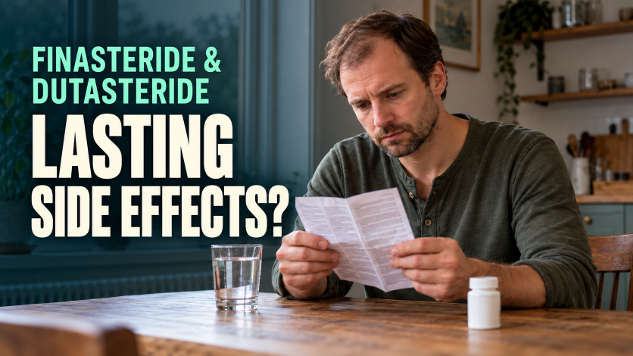
A new study indicates that prolonged exposure to finasteride and dutasteride significantly increases the risk of persistent erectile dysfunction (PED) in men, even after discontinuation of the drugs. This association is particularly pronounced in younger men, raising concerns about the long-term sexual health implications of these common medications.
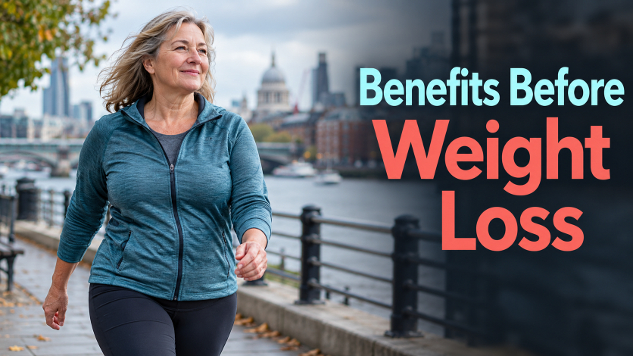
Exercise not only promotes muscle growth and fat loss but also triggers vital molecular and immunological changes that can protect against serious health issues like type 2 diabetes and heart disease. These changes enhance insulin sensitivity and reduce inflammation, highlighting the importance of even low-intensity activities in maintaining health and longevity.
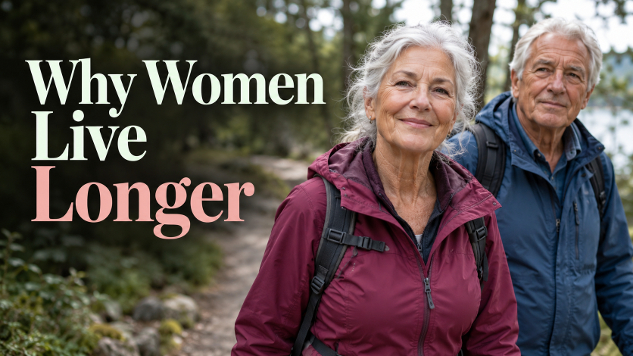
Despite facing higher stress, chronic diseases, and societal inequalities, women generally live longer than men across all countries. This discrepancy arises from a combination of biological factors and gender-specific behaviors, such as risk-taking and health awareness, which ultimately influence life expectancy and health outcomes.
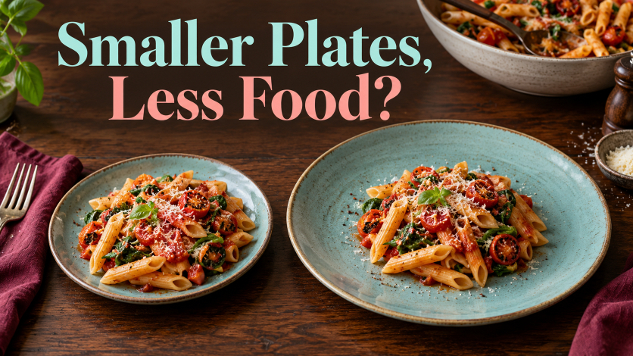
Research shows that the belief smaller plates reduce food consumption is misleading. Despite common assumptions, studies reveal that using smaller plates may lead to increased food intake rather than decreased. Addressing portion sizes and calorie content in food products may be a more effective approach to combat obesity than relying on plate size adjustments.
You know that bleary feeling when you wake up tired, push through the day on caffeine, and then somehow feel wide awake when you finally get into bed? That frustrating loop is not just about willpower or bad habits. It often has everything to do with sleep pressure, light, timing, and the quiet clock your body has been following all along.
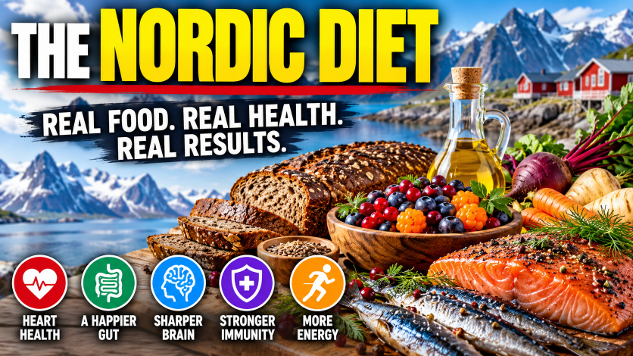
Imagine sitting down to a meal that feels both deeply satisfying and quietly good for you — no guilt, no deprivation, just real food that happens to love you back. The Nordic diet is exactly that kind of eating philosophy, rooted in the cold, clean landscapes of Scandinavia and backed by decades of nutritional research. If you have ever wondered whether there is a way to eat that actually works with your body instead of against it, this might be the answer worth exploring.

Open the cupboard and work out what you could eat tonight if you could not get to the store. Then try tomorrow. Breakfast counts too. You may have plenty of food on the shelves and still find yourself short of actual meals.
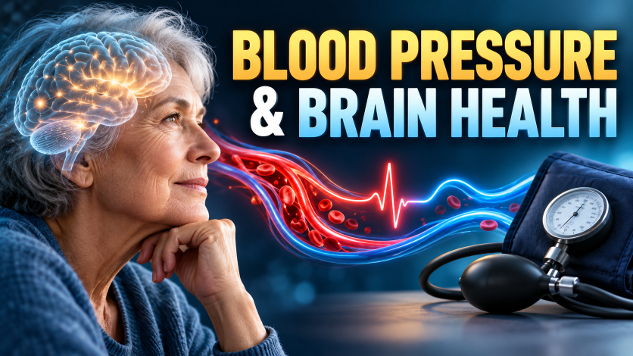
Many people fear cognitive decline as they age, often linking it with dementia. However, research indicates that low blood pressure, particularly diastolic levels, could significantly contribute to cognitive impairment. By identifying and addressing low blood pressure, there may be potential to mitigate age-related cognitive decline and improve brain health.

You flip over a package of crackers, squint at the ingredient list, and feel that familiar sinking feeling — the one where you recognize maybe three things out of twenty. You tell yourself it's probably fine, toss it in the cart, and move on. But somewhere in the back of your mind, a quiet question lingers: what exactly are you eating, and why does it matter?

Fiber doesn't have to come from a pill, powder, or boring bowl of bran. Some of the most delicious foods we already enjoy are naturally rich in fiber. From berries and avocados to lentils, nuts, whole grains, and even popcorn, increasing your fiber intake can be about adding pleasure rather than taking foods away. Here's how to make a high-fiber diet something you actually look forward to eating.
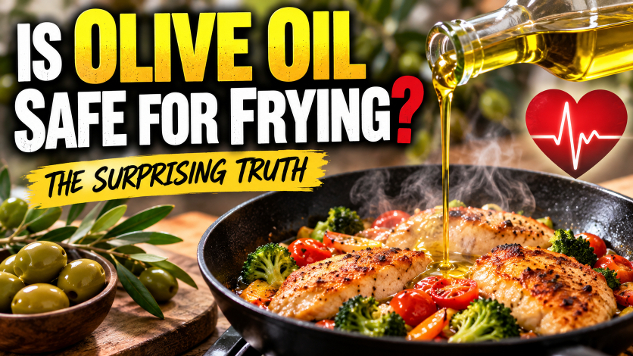
Recent discussions suggest that frying with vegetable oils may produce harmful aldehydes, potentially linking them to diseases like diabetes and heart disease. However, olive oil, a staple of the Mediterranean diet, shows promise as a safer option. Research indicates it generates fewer aldehydes when heated compared to other oils, making it a preferable choice for frying.
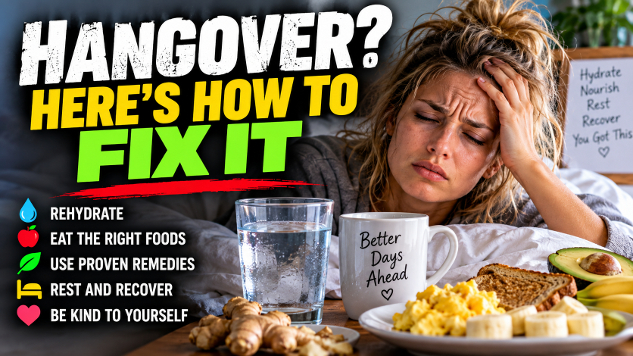
You swore you'd stop after two glasses, and yet here you are, staring at the ceiling at 7am with a head full of regret and a stomach that has opinions. Hangovers are one of those universal experiences that nobody brags about surviving, but almost everyone has faced. The good news is that your body is not broken, and there are real, practical ways to help it bounce back faster.

New research reveals that while yoga can exacerbate wrist, elbow, and shoulder pain, particularly with poses like downward dog, it also shows promise in alleviating low back and neck pain. This complex relationship between yoga and musculoskeletal issues highlights the importance of mindful practice and communication with health professionals.
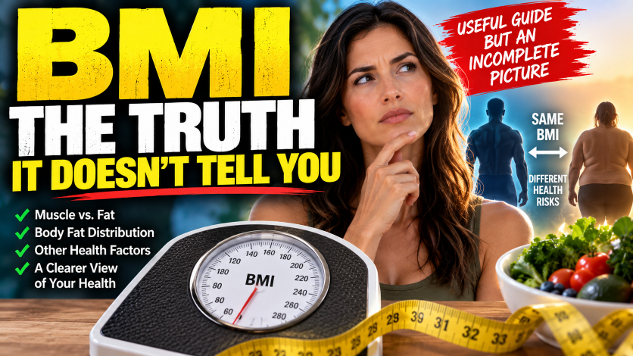
Body Mass Index (BMI) has been a traditional measure of health, but it has significant limitations in accurately assessing an individual's health risks. While it provides a quick estimate of obesity, it fails to account for body fat distribution and does not differentiate between fat and muscle. Understanding these limitations is crucial for better health assessments.

Most people assume that running harder means running better, but the science disagrees in ways that should make every fitness enthusiast pause. Slow jogging is a low-intensity running method that has quietly transformed public health culture in Japan, and its principles challenge nearly everything mainstream fitness culture tells you about effort and results. If you have ever quit a running program because it felt too brutal too fast, this framework was built for exactly that problem.

You wake up and the day already feels heavy before it has even started. You are not in crisis, not falling apart, but something is off in a way that is hard to explain to anyone who has not felt it. That gray, low-grade flatness is one of the most common and most overlooked mental health experiences there is, and it has a name: mild depression.

You are sitting outside at a summer barbecue, not a care in the world, and within minutes you are slapping your arms like you are auditioning for a one-person percussion show. Meanwhile, the person next to you has not been touched once. Sound familiar? It turns out mosquitoes are not just annoying — they are picky, and there is actual science behind why they keep choosing you.

Starting a new exercise program can lead to burnout or injury if not approached correctly. Incorporating just 20 minutes of brisk walking can enhance brain function, reduce cravings for junk food, and help maintain a healthy diet. Understanding the relationship between exercise, stress, and food choices is essential for achieving weight loss goals.

Regular exercise not only enhances physical health but also significantly improves brain function and emotional well-being. By understanding the neurobiological impacts, individuals can better appreciate how activities like dancing, boxing, or walking contribute to mental health, potentially reducing symptoms of anxiety and depression while fostering social connections.
Pluto turns direct as this week’s astrology explores hidden truths, personal power, and...

We now emerge somewhat disheveled, but hopefully wiser, from the emotional...
Have you ever sat outside with a group of friends, only to wake up the next morning...
The Nordic diet brings fish, rye, berries, and root vegetables to the table. This video...

Your voice is a gift worth sharing. “Give Back To The Universe” by Mary Travers and the...

Have you ever felt lost in the chaos of the world, searching for a guiding light when...

Navigating infant sleep can be challenging for parents, especially when faced...

Many people struggle with attachment to material possessions and outdated beliefs, which...

Spiritual development hinges on the intentional cultivation of will power, or sankalpa....

Are you a borderline narcissist? Where does healthy self-love end and selfishness begin?...

Swearing, often dismissed as a sign of poor vocabulary, may actually indicate...