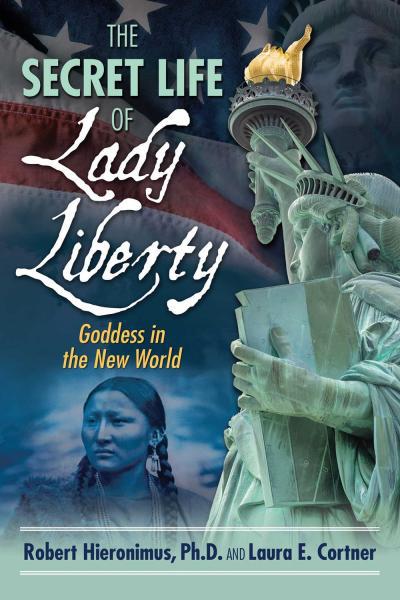
The Statue of Liberty stands as one of the world's most recognizable symbols of freedom and democracy, yet few people understand the profound esoteric wisdom encoded within her design or the revolutionary ideals that inspired her creation. Behind this colossal monument lies a hidden history of sacred geometry, mystical symbolism, and visionary philosophy that connects ancient wisdom traditions to modern democratic principles in ways that have been largely forgotten or ignored by mainstream historical accounts.
At the heart of this exploration lies the revelation that Liberty's creators were deeply influenced by Freemasonry, Rosicrucianism, and other esoteric traditions that viewed democracy not merely as a political system but as a spiritual imperative. The statue's designer, Frédéric Auguste Bartholdi, along with his collaborators, embedded layers of symbolic meaning into every aspect of the monument, from her seven-pointed crown representing the seven continents and seven seas to the broken chains at her feet symbolizing liberation from tyranny and oppression. These elements weren't chosen randomly but reflect a coherent philosophical vision rooted in ancient mystery school teachings.
Readers discover how the statue's symbolism draws from diverse spiritual and philosophical sources, including Roman and Greek mythology, Egyptian sun worship, and enlightenment philosophy. Liberty herself embodies the Roman goddess Libertas while simultaneously representing the divine feminine principle long suppressed in Western culture. Her torch illuminates not just physical darkness but spiritual ignorance, serving as a beacon for consciousness expansion and collective awakening. The tablet she holds bears the date of American independence, linking the birth of the nation to universal principles of human dignity and self-determination.
The exploration extends beyond mere symbolism to examine the political and social context that made Liberty's creation possible. The statue emerged during a period of tremendous social upheaval, when progressive thinkers on both sides of the Atlantic sought to establish new models of governance based on equality, justice, and human rights rather than hereditary privilege and authoritarian control. Understanding this context reveals how the statue represents not a conservative celebration of existing power structures but a radical vision of transformed social relations and expanded human potential.
Particularly compelling is the examination of how these esoteric influences shaped American democracy itself. The founding fathers, many of whom were Freemasons and students of enlightenment philosophy, consciously drew upon mystery school teachings when designing governmental institutions and national symbols. This reveals American democracy as part of a much larger project spanning centuries and continents, one aimed at creating social structures that honor human potential and facilitate collective spiritual evolution.
For contemporary readers engaged with questions of social justice, political reform, and collective consciousness, this historical perspective offers vital insights. It demonstrates that the symbols and institutions we've inherited contain deeper wisdom than surface-level interpretations suggest. Liberty isn't merely a monument to past achievements but a blueprint for ongoing transformation, challenging us to fulfill the promise of true democracy by addressing systemic inequalities and expanding rights to all people.
The examination also addresses how Liberty's meaning has been contested and reinterpreted throughout history. From Emma Lazarus's poem welcoming immigrants to civil rights activists claiming her promise for marginalized communities, the statue has served as both inspiration for progressive movements and symbol appropriated by various political factions. Understanding her original esoteric significance helps reclaim her as a standard for authentic liberty grounded in spiritual principles rather than narrow partisan interests.
This work ultimately reveals that genuine democracy requires more than political structures; it demands a transformation of consciousness. The sacred symbolism embedded in Liberty points toward this deeper revolution, one where external freedom reflects internal awakening and social justice manifests spiritual truth. For readers committed to personal growth and social transformation, these insights offer both historical context and practical inspiration for continuing the work of creating a more enlightened, equitable world.
Read more ▼