
Videos
Pluto Turns Direct: Reclaim Your Power
Pluto turns direct as this week’s astrology explores hidden truths, personal power, and...









It’s in the air, isn’t it? The tension between genders. A war of words. A swirl of online rants and real-world frustrations. You scroll through social media and feel it—anger, sarcasm, blame. Somewhere along the way, conversation turned into confrontation. Misogyny isn’t just back; it’s louder, more organized, more shameless. But here’s the thing: behind the rage is a story. A human story. And understanding that story might be our only way out of the war zone.

Each birthday comes with candles, cake, and—for many—a creeping anxiety. Milestone ages like 30, 50, or 70 often arrive with an invisible question: “Am I where I’m supposed to be?” But what if that question is the problem, not the answer? Aging isn't just survival; it's evolution. And developing a positive attitude toward it could be one of the most transformative acts of resistance in a culture obsessed with youth.

Fairness isn’t enough anymore. Learn how choosing the win-win path can transform your relationships, your decisions, and even the world around you.

Have you ever walked away from a conversation wondering if that person actually likes you, or if you're reading too much into their polite smile? That knot in your stomach, the replay of every word they said, the analysis of their body language—it's exhausting, isn't it? The truth is, most of us have become detectives of our own social interactions, searching for clues that might not even exist while missing the ones that actually matter.

Have you ever caught your reflection in a window and thought, Is that really me? Or heard your inner voice whisper something less than kind? These fleeting moments reveal something deeper: the image you hold of yourself, the story you tell about who you are. This is your self concept. A

It often sneaks in quietly, doesn’t it? A sigh just a little too loud, a compliment laced with a subtle jab, a task that somehow never gets done — even though they promised. You might sense something’s off, but when you bring it up, you’re met with, “What do you mean? I didn’t say anything.” Welcome to the world of passive aggressive behavior. If you’ve ever found yourself exhausted by these small, undermining exchanges, you’re not alone. But the good news is, you can learn to handle them without losing your own peace in the process.

It doesn’t take a tinfoil hat or a secret handshake to fall into a cult. It usually starts with a grievance—a feeling that something’s wrong, that the world doesn’t make sense anymore. Maybe it’s economic fear. Maybe it’s cultural confusion. Maybe it's just loneliness. But mix that with a charismatic leader, a manufactured enemy, and a message that says, “Only we can fix it”—and suddenly, you’ve got yourself a cult. MAGA didn’t invent the formula, but boy, did it refine it for the 21st century.

We’re great at spotting what’s wrong—but that’s just the beginning. This article explores how to shift from complaint to conscious creation and inner peace.

Procrastination isn’t laziness—it’s often emotional. These 7 steps reveal how to overcome hesitation, reclaim your power, and get things done with confidence.

We’ve all seen fake smiles — the kind that never reach the eyes. But there’s real science behind why they feel off. From facial muscles to brain signals, the difference between genuine smiles and fake ones tells us more than we realize. Understanding these cues can help us decode emotion, spot sincerity, and even protect our mental health. Let’s uncover the anatomy behind true emotional expression.

You don’t need a megaphone to matter. That’s the quiet truth humming beneath the chaos of modern life. While the world chases virality, algorithms, and 30-second dopamine hits, something timeless keeps whispering beneath it all: your voice still counts—even if no one “likes” it. Giving back doesn’t require a trending hashtag. Sometimes it just takes standing up when the rest of the world is sitting down.

Real joy comes from living your truth—not someone else's expectations. This heartfelt article explores how following your inner compass transforms everyday moments into miracles.

Have you ever felt a spark of connection from a stranger’s smile? A shared laugh on a park bench, a brief but warm chat in line at the store? Those fleeting moments are easy to overlook—but they carry a quiet power. That’s psychological generosity at work. It’s the subtle art of showing up with kindness, even when no one’s watching. And strangely enough, when we give to others, we often receive more than we expect.

Your memories might not be telling the truth. Learn why what you remember isn’t always what happened—and how changing your story can change your life.

Ever felt like your heart is racing, your thoughts are spinning, and your shoulders are carrying the weight of the world? That, my friend, is stress—your body’s built-in alarm system. But what if I told you that not all stress is bad? That sometimes, it’s actually pushing you toward something better? Let’s dive into the messy, misunderstood, and surprisingly meaningful world of stress.

Words can hurt—but they don’t have to. Discover how to stop taking things personally, respond with compassion, and find peace within yourself.

Every once in a while, a revolutionary idea slips under the radar—not in the form of a protest, a policy, or even a pamphlet—but as something quieter. Something deceptively simple. Like… doing absolutely nothing. That’s right. No emails. No chores. No “working on yourself.” Just a useless day. And in this over-caffeinated, hustle-obsessed, productivity-worshipping culture of ours, that might be the most subversive thing you can do.

We all hit those invisible walls—the ones that slow us down, sap our energy, and leave us asking: "What happened to my motivation?" Emotional slumps and mental fatigue aren’t rare, but they're often misunderstood. These aren’t character flaws. They’re signals—urgently trying to tell us something's off. But once we understand the why, we can unlock the how: how to get out, how to stay out, and how to rebuild forward.

Have you ever noticed how some words can feel both inviting and intimidating at the same time? "Diversity," "inclusion," "equity"—these are words that stir up hope for some and fear for others. Yet behind them lies a simple truth: we all just want to belong, to be valued, and to feel like we matter. Today, we're diving into why diversity inclusion and women's equity are at the heart of building truly balanced communities—and why embracing them can feel a little scary, but a lot necessary.

What ingredients are you putting into your life’s recipe? Thisa article explores how overcoming fear and shifting expectations can lead to true happiness.

Have you ever paused in the middle of your day and just felt overwhelmed with appreciation for something simple—a bird singing, a warm smile, or even just the comfort of your morning coffee? That fleeting moment is the heartbeat of true gratitude. It's not about grand gestures or fancy journals (though those are nice); it's about seeing the beauty that's already right in front of you. Today, we'll explore what true gratitude really is, why it's such a powerful force, and how you can weave it gently into the fabric of your everyday life.
Pluto turns direct as this week’s astrology explores hidden truths, personal power, and...

We now emerge somewhat disheveled, but hopefully wiser, from the emotional...

Have you ever sat outside with a group of friends, only to wake up the next morning...

The Nordic diet brings fish, rye, berries, and root vegetables to the table. This video...

Your voice is a gift worth sharing. “Give Back To The Universe” by Mary Travers and the...

Have you ever felt lost in the chaos of the world, searching for a guiding light when...

Navigating infant sleep can be challenging for parents, especially when faced...

Many people struggle with attachment to material possessions and outdated beliefs, which...

Spiritual development hinges on the intentional cultivation of will power, or sankalpa....

Are you a borderline narcissist? Where does healthy self-love end and selfishness begin?...
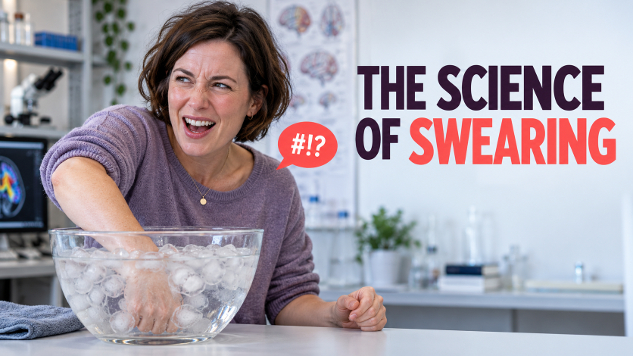
Swearing, often dismissed as a sign of poor vocabulary, may actually indicate...